- September 15, 2025

-
-
Loading
Loading
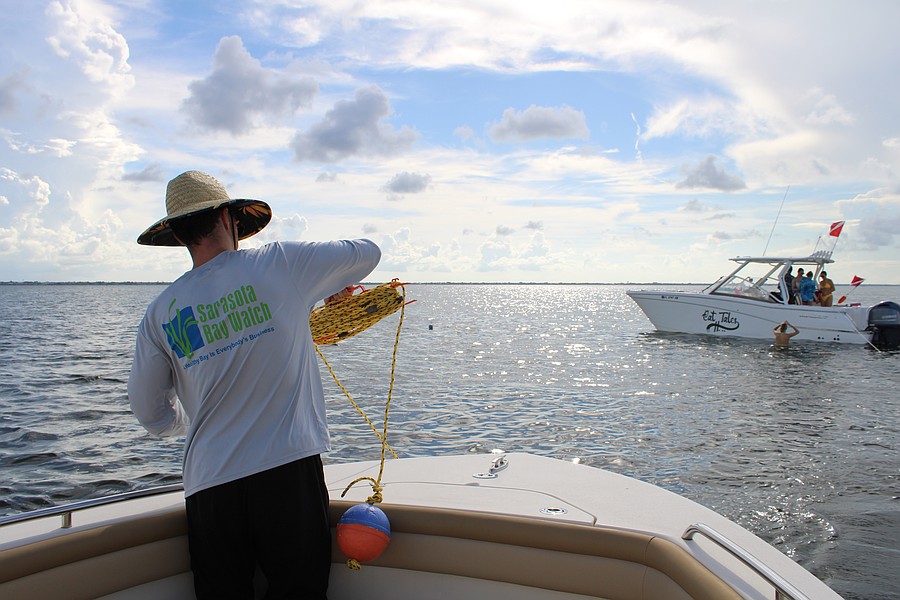
Volunteer Peter Bonk spools out line for the grid-based search for scallops in Sarasota Bay during the Great Scallop Search of 2025.
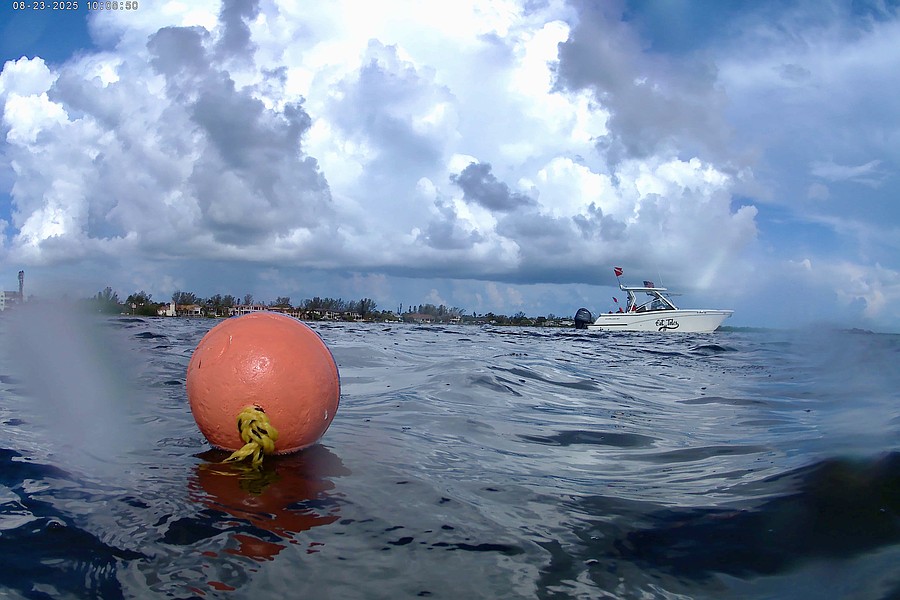
Photo by Dana KampaVolunteers working with Sarasota Bay Watch laid out transects with buoys and weighted lines to guide their search for scallops.
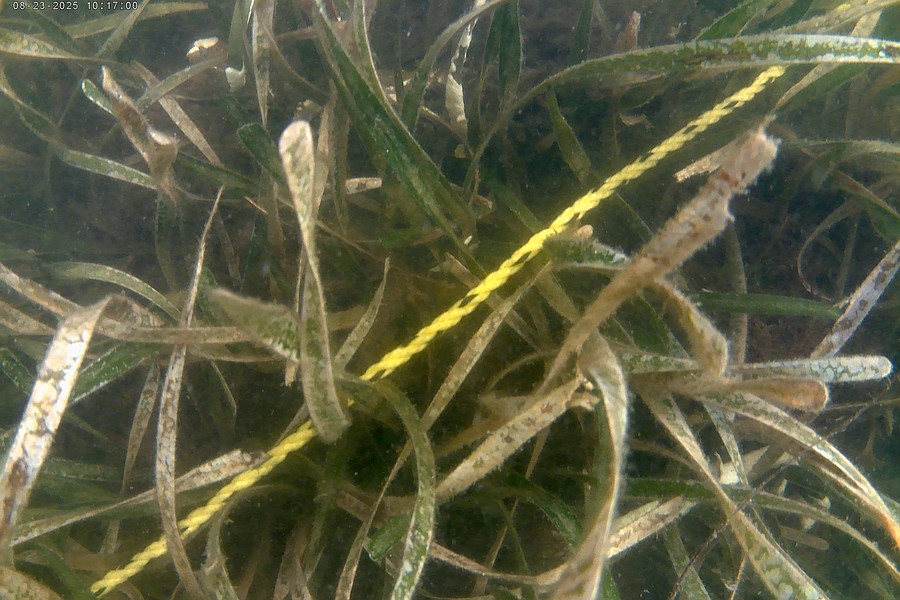
Photo by Dana KampaThe transect lines helped volunteer snorkelers ensure they weren't retreading ground as they searched among the seagrass for wild scallops.
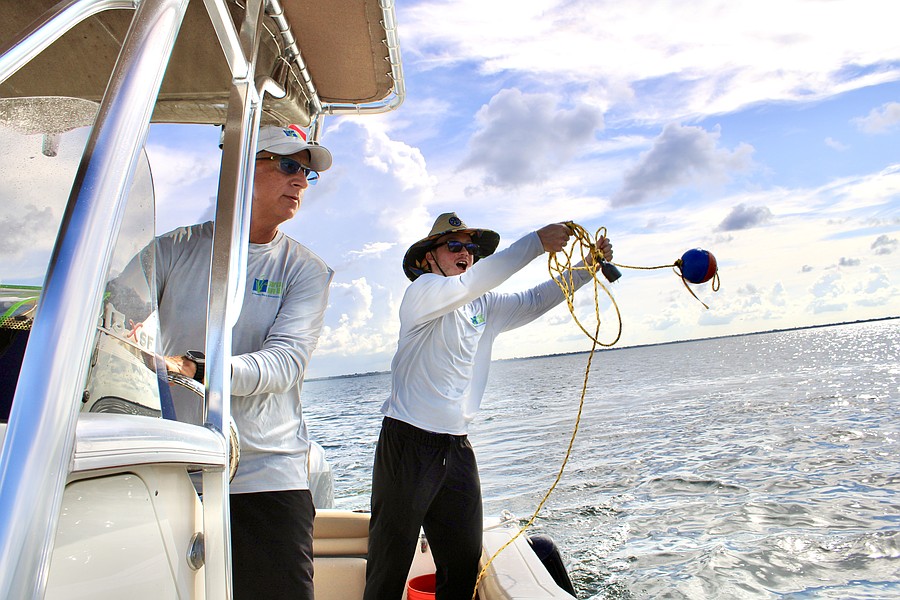
Photo by Dana KampaBrian Jung, captain of "Barely Just Fine," guides volunteer Peter Bonk on how to toss the transect line for the Great Scallop Search. Jung has been part of the Sarasota Bay Watch board for eight years and now serves at vice president.
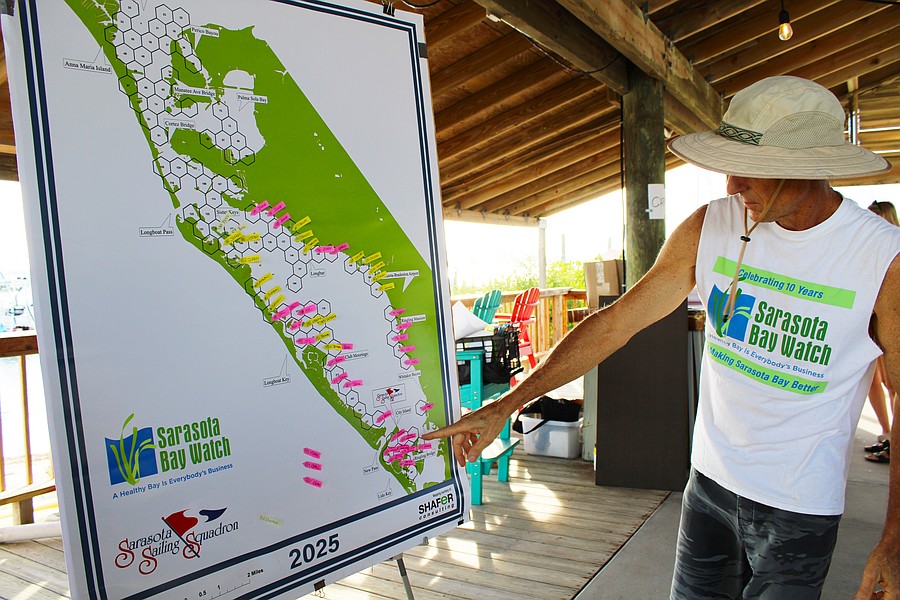
Photo by Dana KampaVolunteers assisting with the Great Scallop Search of 2025 worked in grids to get a picture of how bivalves are fairing along Sarasota Bay.
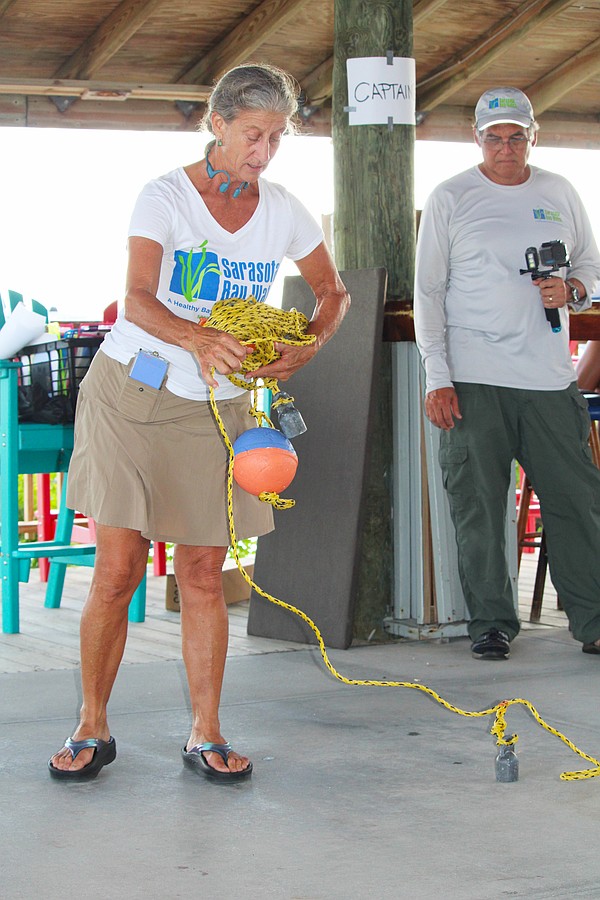
Photo by Dana KampaRonda Ryan, executive director of Sarasota Bay Watch, demonstrates how to lay out a transect line to guide volunteers' underwater search for scallops in Sarasota Bay.
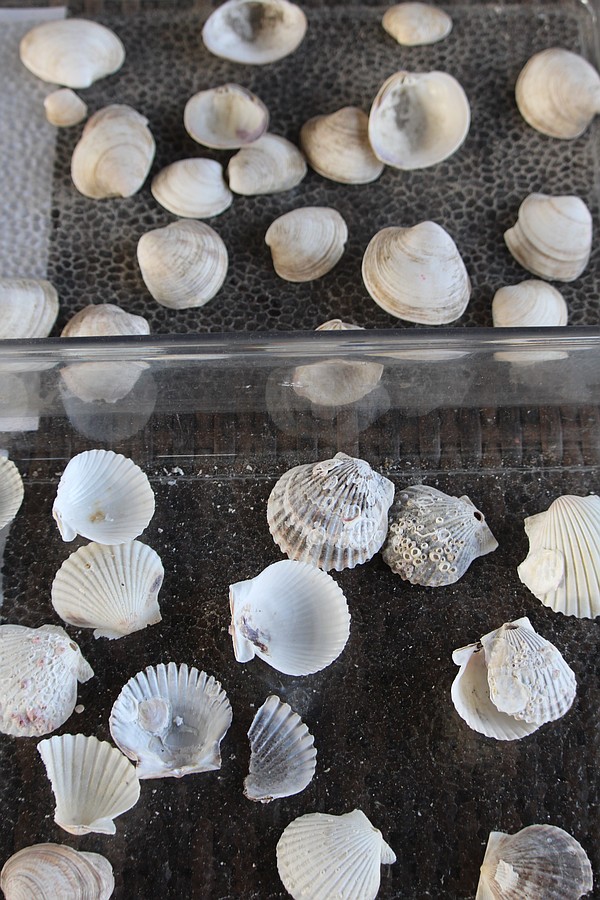
Photo by Dana KampaSarasota Bay Watch coordinators brought along examples of scallop and clam shells to show volunteers the differences the morning of the Great Scallop Search.
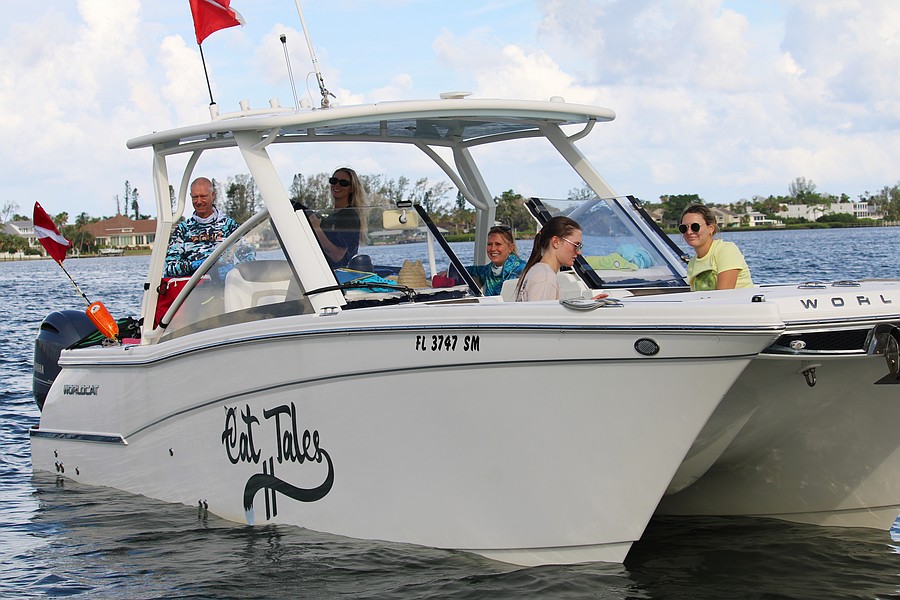
Photo by Dana KampaAl Jeffrey, captain of "Cat Tales," takes out Leslie Jeffrey, Lauren Jeffrey, Savannah Cochrane and Alexis McMahon to volunteer searching for scallops with Sarasota Bay Watch.
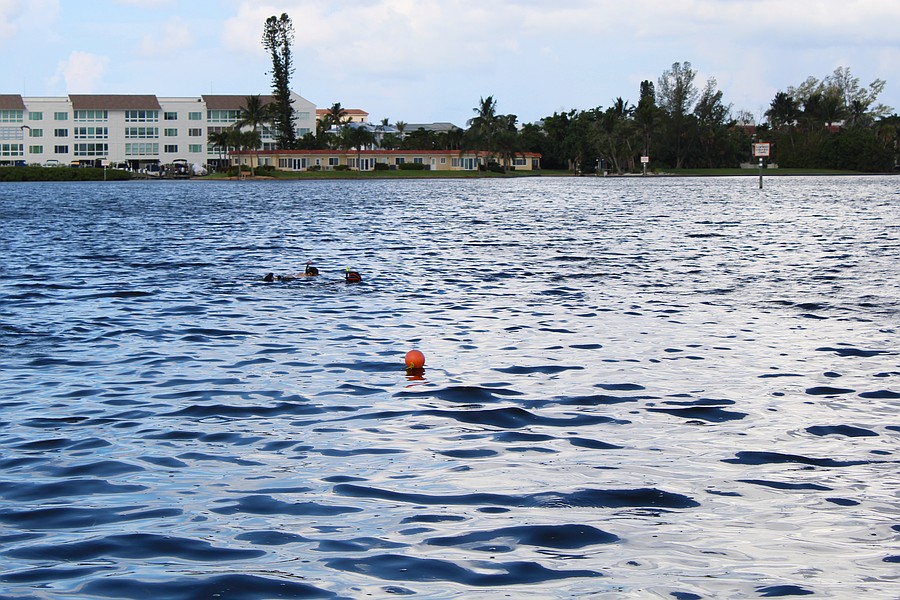
Photo by Dana KampaLauren Jeffrey, Savannah Cochrane and Alexis McMahon set to work following the transect line to search for scallops in Sarasota Bay for citizen science research.
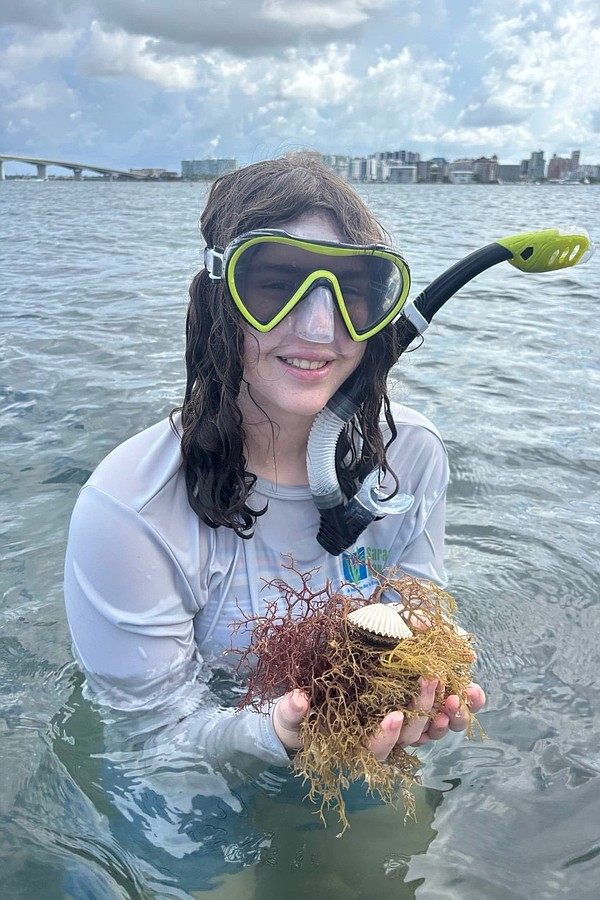
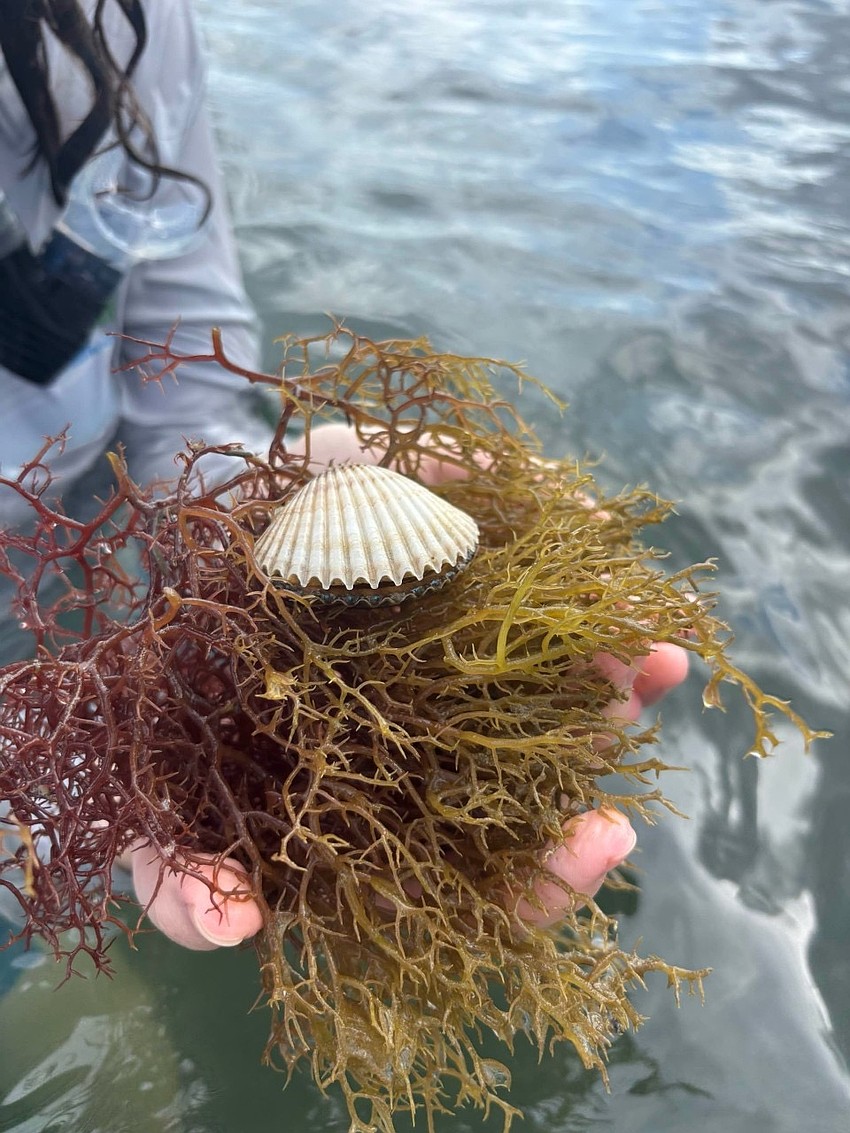
Photo by Dana KampaSophia Haakman, a Sarasota Bay Watch member of several years and founder of the local chapter of the Florida Young Birders Club, holds up a bay scallop she found during the Great Scallop Search of 2025.
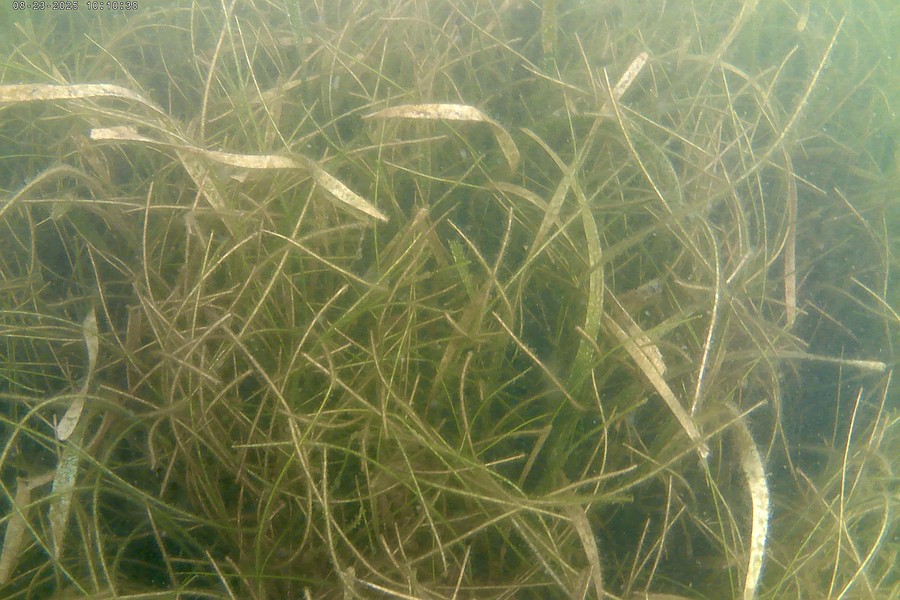
Courtesy imageVolunteers with Sarasota Bay Watch found about 20 scallops in Sarasota Bay, almost half of what the 200 volunteers at the Tampa search found. SBW Executive Director Ronda Ryan said healthy seagrass beds are a good indicator of healthy habitat for the scallops.
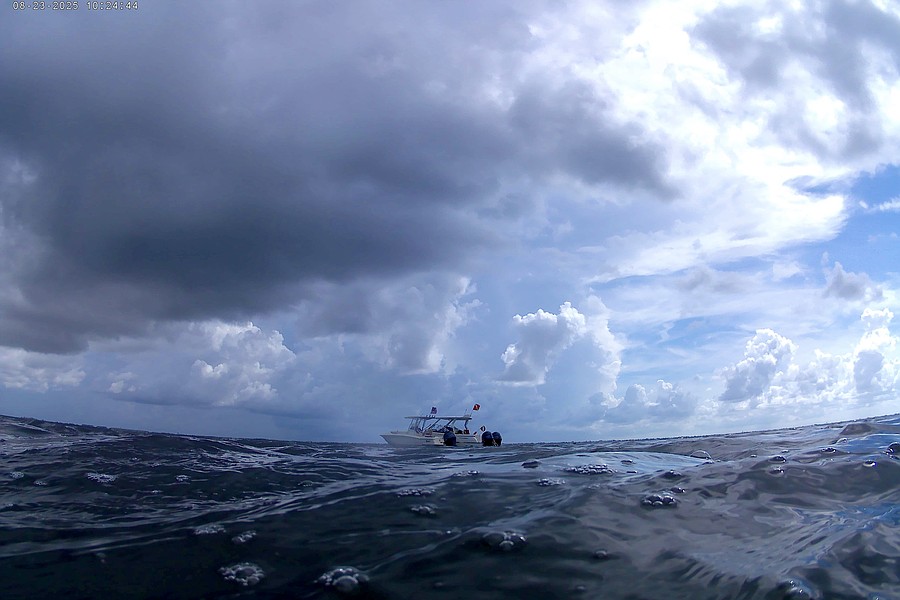
Photo by Dana KampaIncoming stormy weather prompted volunteer boats to head back to the Sarasota Sailing Squadron headquarters after the Great Scallop Search of 2025.
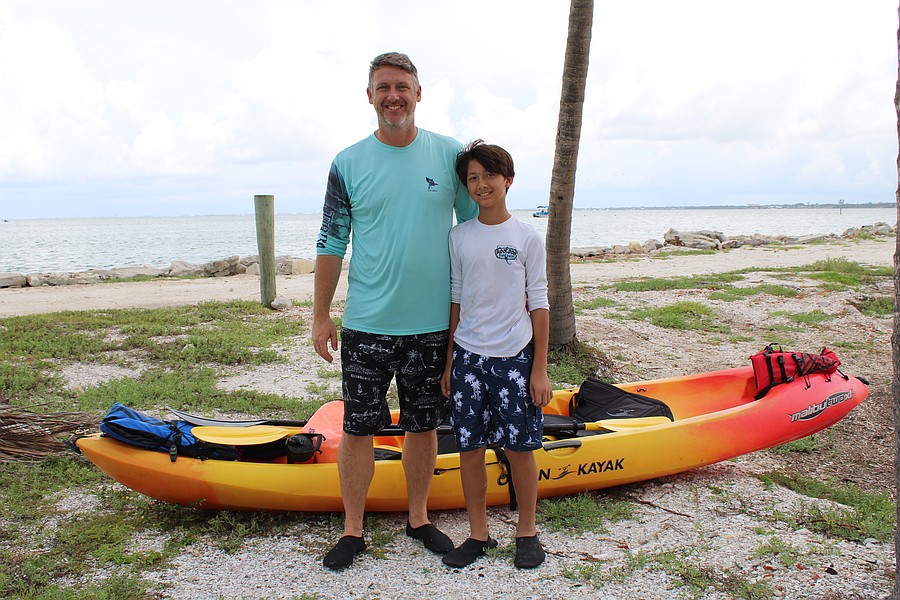
Photo by Dana KampaCurtis and Connor Craig played a key role in the Great Scallop Search on Sarasota Bay this year, locating the most scallops out of anyone. Curtis said the family has participated in four Sarasota Bay Watch events and appreciates everything the group does for the local environment.
Photo by Dana KampaDuring the most recent citizen science search for scallops, dozens of pairs of eyes were on the seagrass beds of Sarasota Bay. In several instances, there were sets of pinpoint turquoise eyes looking back up at those people.
A fleet of good Samaritans took off from Sarasota Sailing Squadron headquarters on Aug. 23, aiding Sarasota Bay Watch with the Great Scallop Search of 2025.
Executive Director Ronda Ryan started off the morning with a rundown of how to spot the elusive bay scallops and a demonstration of how to lay out transect lines. The weighted ropes guide divers as they scan the bay floor, looking for a hint of the bivalves that play a critical role in filtering Florida's waterways.
Teams gathered information on scallops they spotted, but also on habitat and any other interesting aquatic critters they spotted, reports of which went to the Florida and Wildlife Conservation Commission.
This annual search has been a core event for Sarasota Bay Watch since 2008. Volunteers hold similar events along Florida's west coast, including the 30th annual event in Tampa.
In Tampa, teams found 267 scallops in 2023, Ryan said.
"They found 45 this time," she said. "That is not a good sign. That is an indicator of poor quality and loss of seagrass, among other conditions. What are we going to find today? I don't know."
In total, the Sarasota group — which had 16 boats and 105 snorkelers — found about 20 scallops between Curtis and Connor Craig and Sophia Haakman. Teams may have found more after getting the hang of the search, but incoming stormy weather prompted boats to head in.
The volunteers who found success in locating them didn't solely rely on their eyes. Curtis Craig, who kayaked out with his son, Connor, said he got his hands in the vegetation while searching, which was particularly helpful on the overcast day.
"We took the rope and tied it to our kayak, and my 12-year-old son sat in the kayak with the paper, writing down what we saw," he said. "The first time I was looking, I didn't see anything. But then I turned around, and I started to put my fingers in the grass. Once I did that, I could feel the shells."
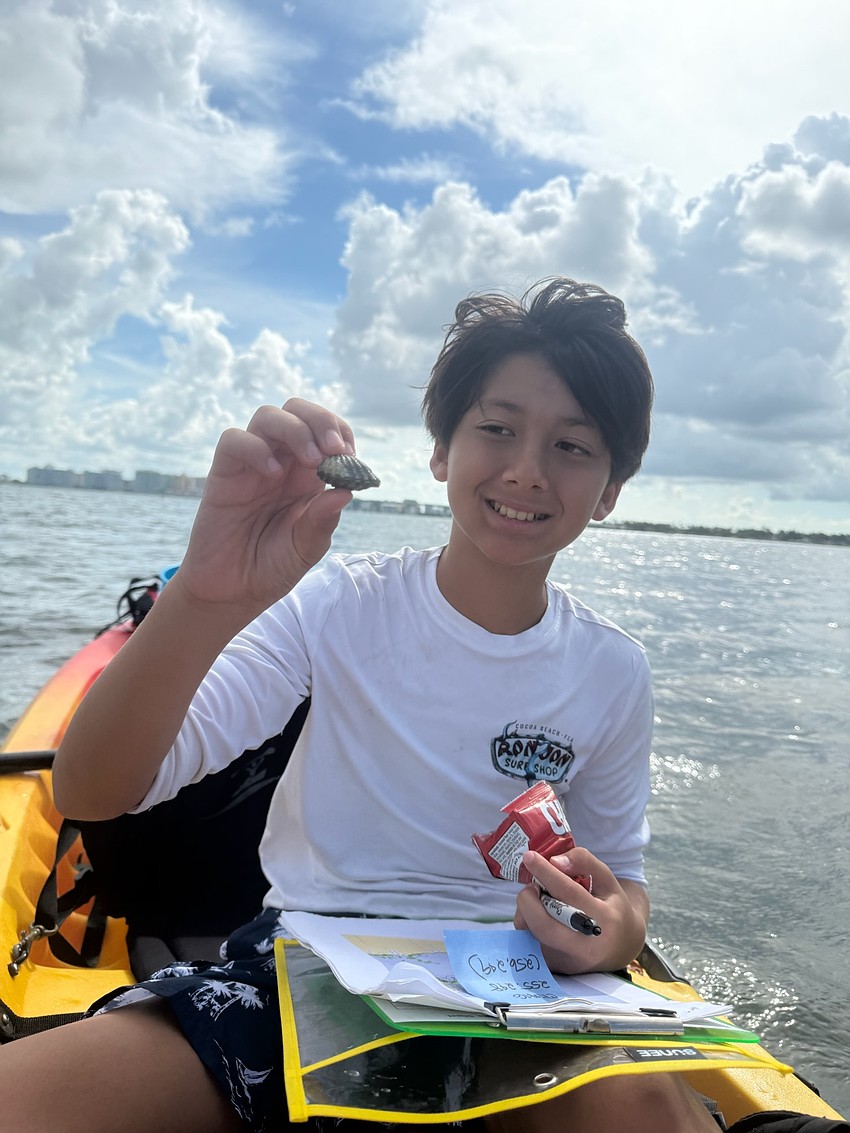
The duo also spotted some other interesting wildlife, including several live conches.
"We'll keep coming back for these events," Curtis said. "It's a lot of fun, and it's helpful for the environment."
Haakman also found her scallop by gently dissecting balls of vegetation.
"There was a lot of micro algae, so I picked up a big chunk, and it was in there," she said.
She has been a Sarasota Bay Watch member for several years and is the founder of the local chapter of the Florida Young Birders Club.
"Even if you don't have much experience, I think it's definitely worth doing," she said. "Obviously, it's important to have new experiences, but also, it's cool to be part of the research."
For more information, go to SarasotaBayWatch.org.